Skagway & Icy Strait
August 16–17, 2026
Skagway - Day 5, August 16, 2026
Gold, Gold, Gold Fever!!!
Our next port of call was Skagway, the rugged frontier town where tens of thousands of stampeders arrived in 1897 to kick off the Klondike Gold Rush.
From the shore of Skagway looking up the canyon at that sheer incline, we couldn’t imagine how the prospectors felt facing the steep canyon walls squeezing the narrow trail into a harsh, continuous climb. We can only imagine just how quickly the excitement of the gold rush turned into a brutal physical reality.
During the Klondike Gold Rush of 1897–1898, prospectors heading inland from the Skagway area had to choose between two punishing routes to cross the Coast Mountains into Canada.
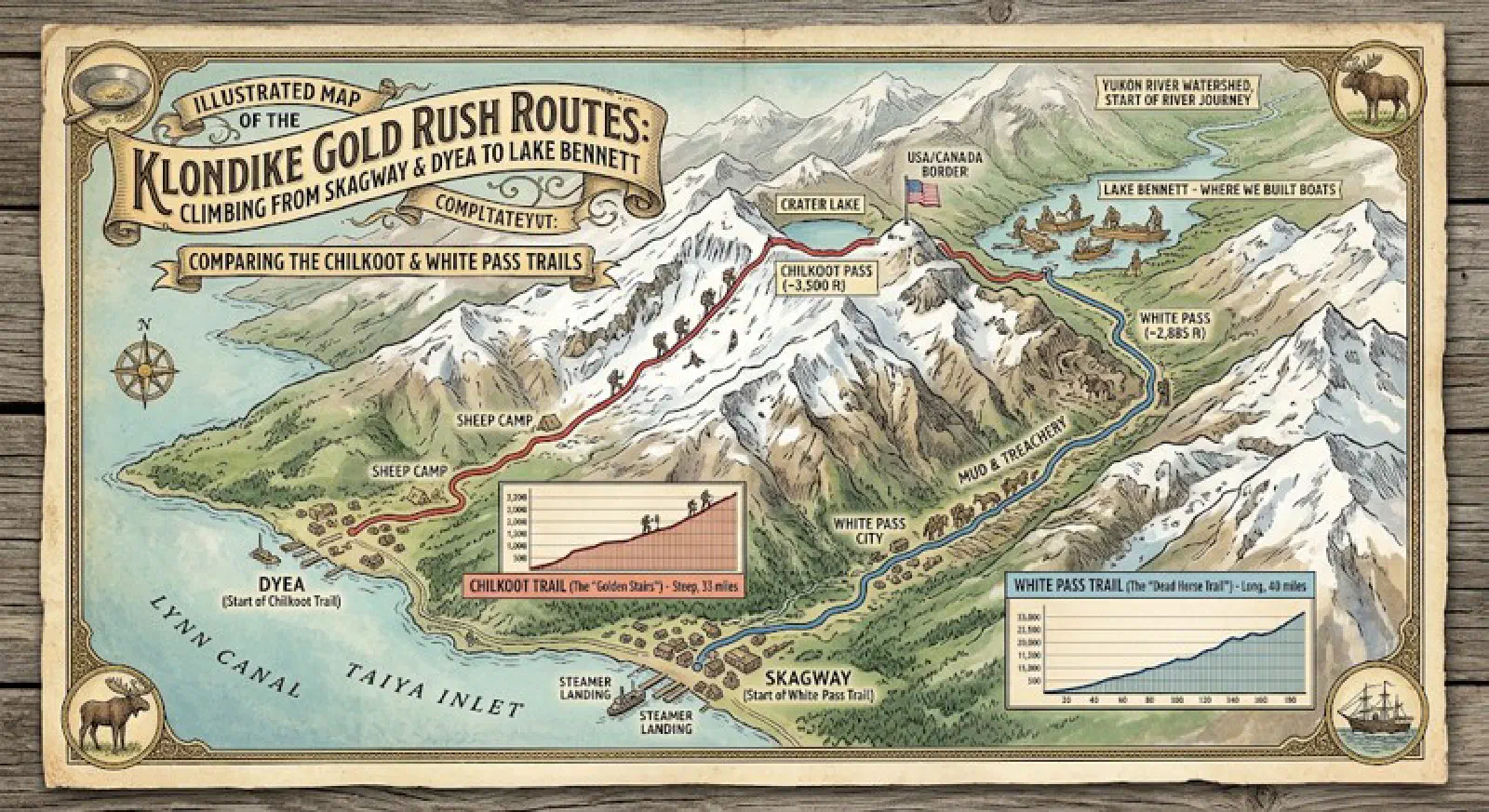
The Two Trails
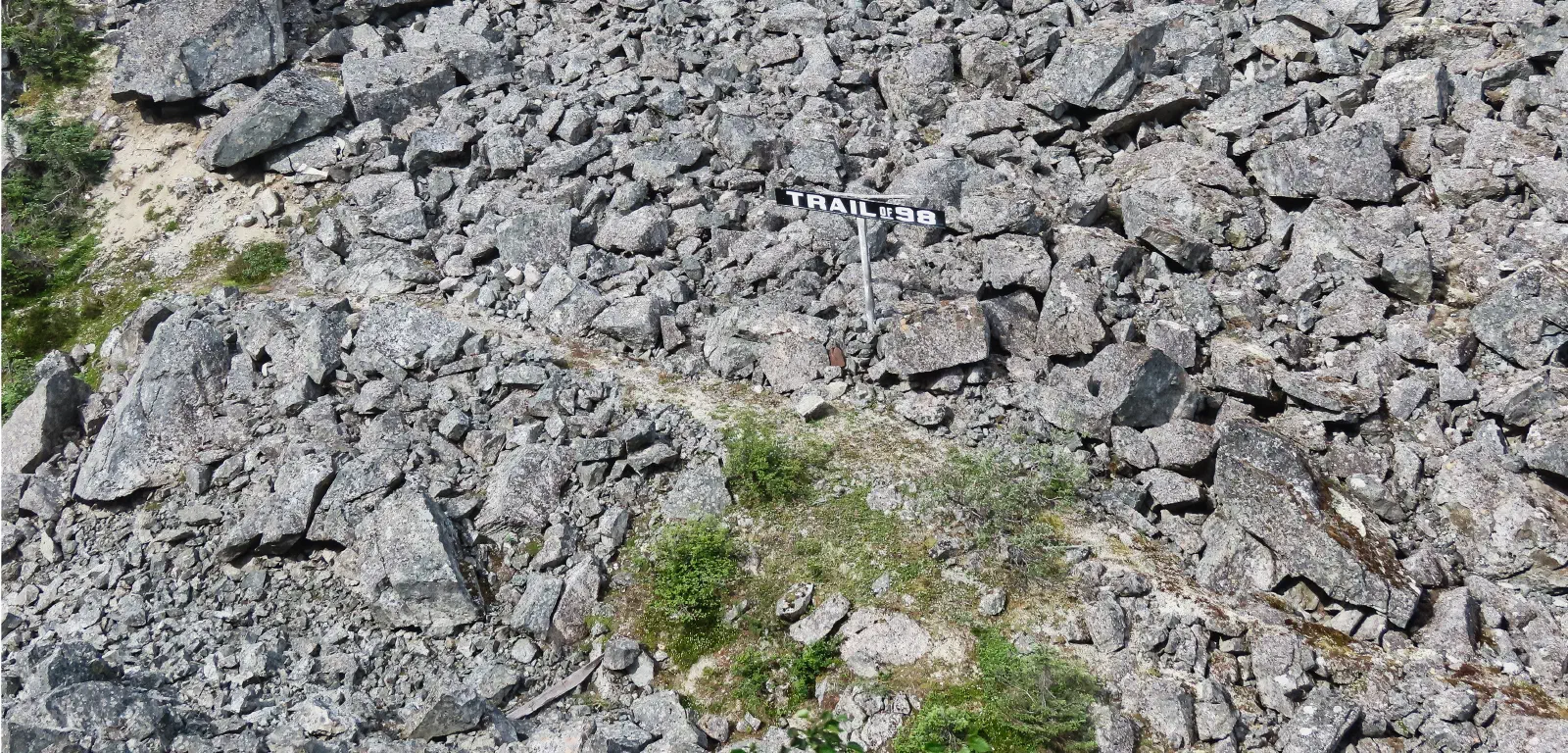
- Chilkoot Trail: Starting in the nearby boomtown of Dyea, this 33-mile route reached a summit elevation of roughly 3,500 to 3,739 feet. It was the steeper, more direct path. The final ascent to the Chilkoot Pass—known as the “Golden Stairs”—was too steep for pack animals, meaning stampeders had to carry their required ton of supplies on their own backs over multiple grueling trips.
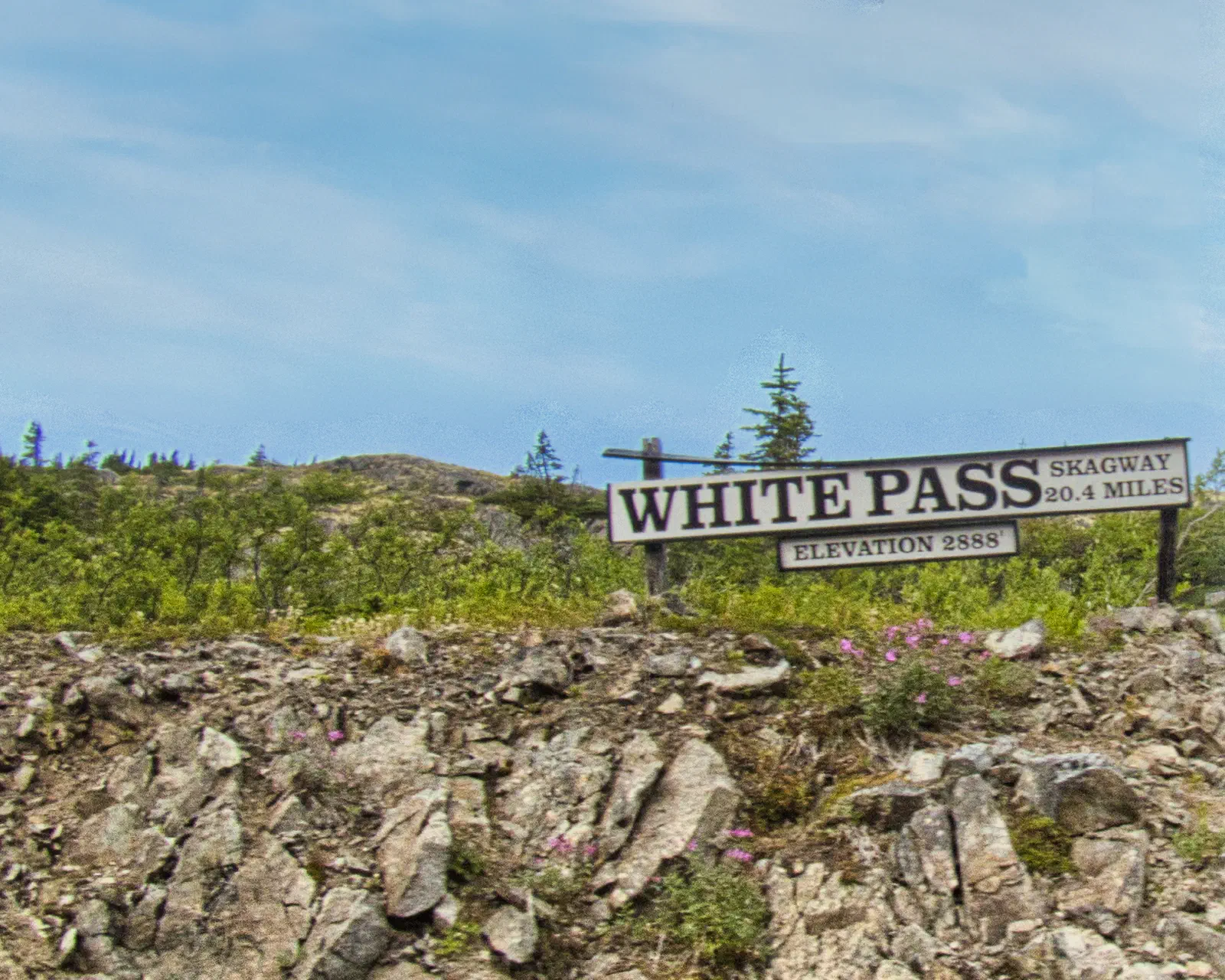
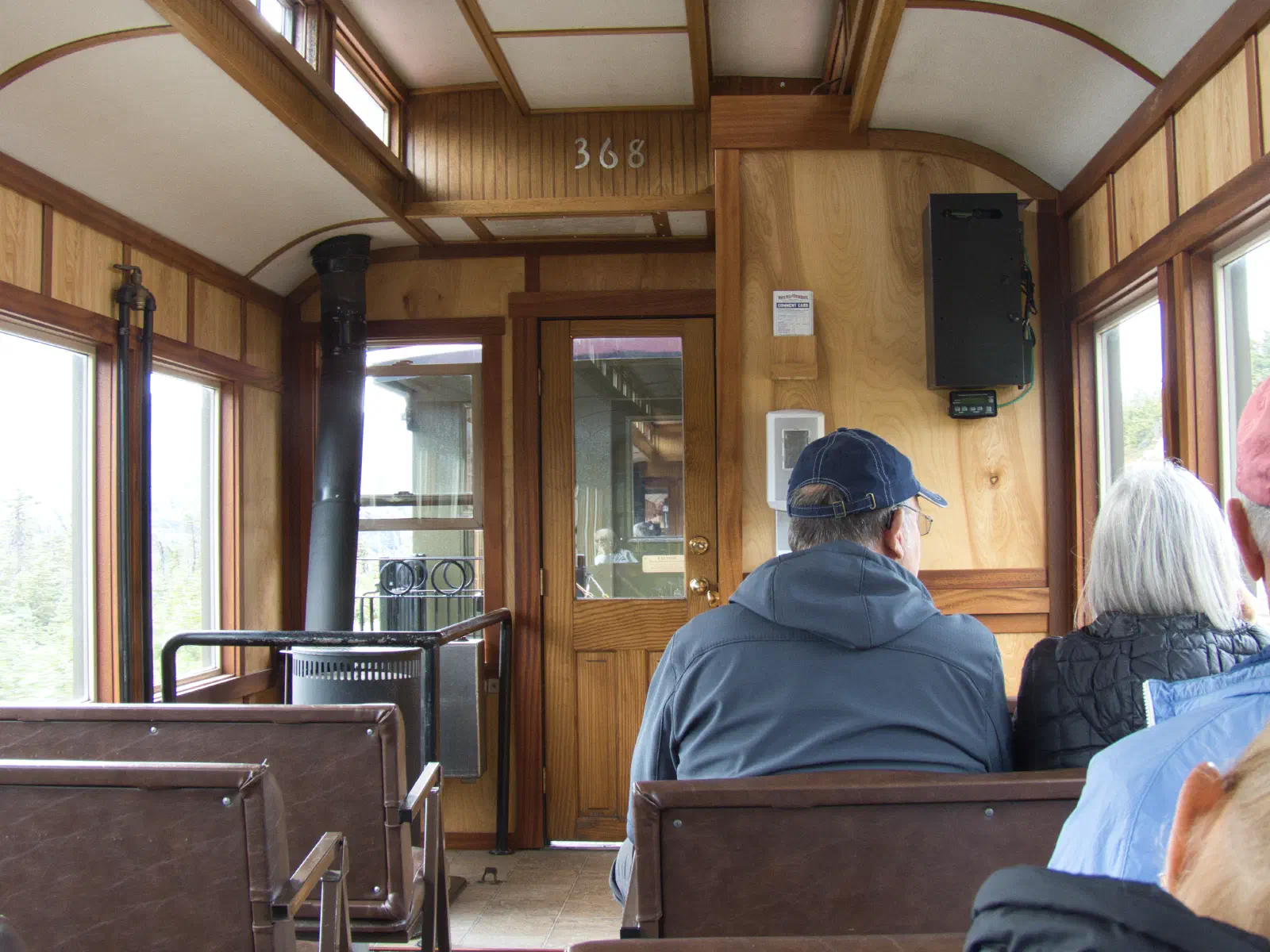
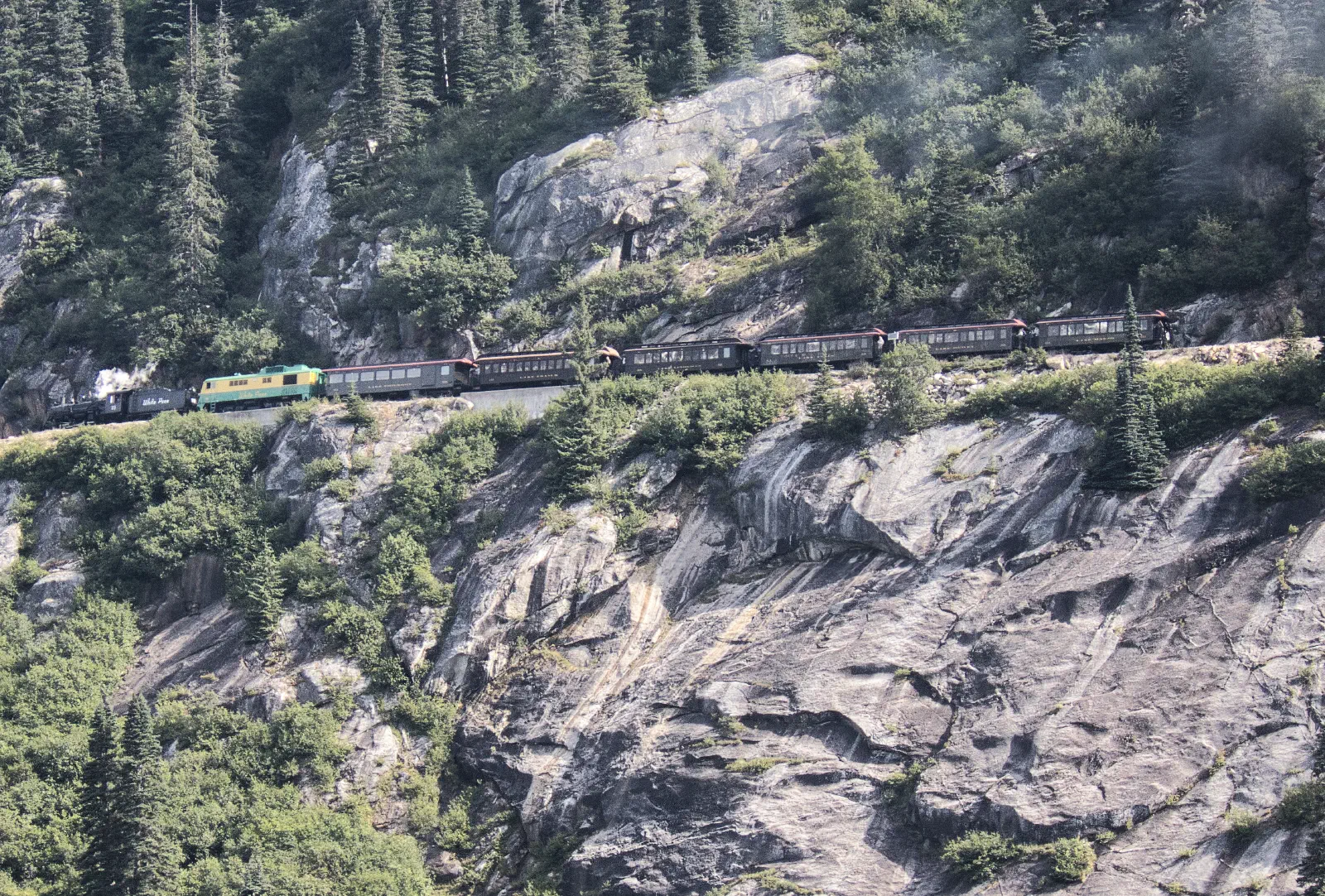
- White Pass Trail: Starting directly in Skagway, this route stretched about 40 miles to the interior lakes and reached a summit elevation of roughly 2,864 to 2,888 feet. It was longer but had a slightly lower, less steep grade, allowing the use of pack animals. However, the treacherous, muddy conditions were brutal on livestock, earning it the grim nickname the “Dead Horse Trail.” Today, the White Pass and Yukon Route railway roughly follows this path.
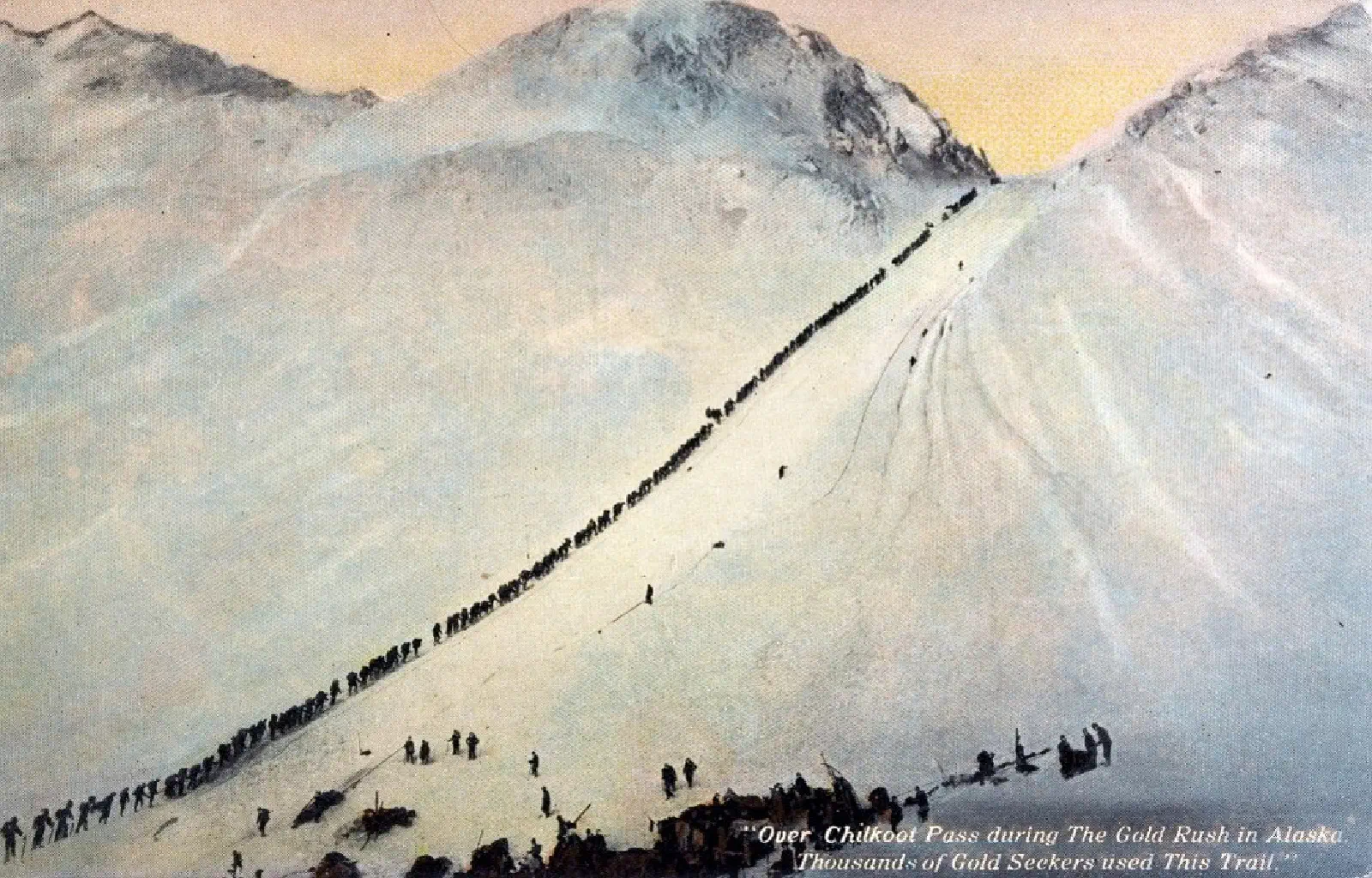
The Summit Lake
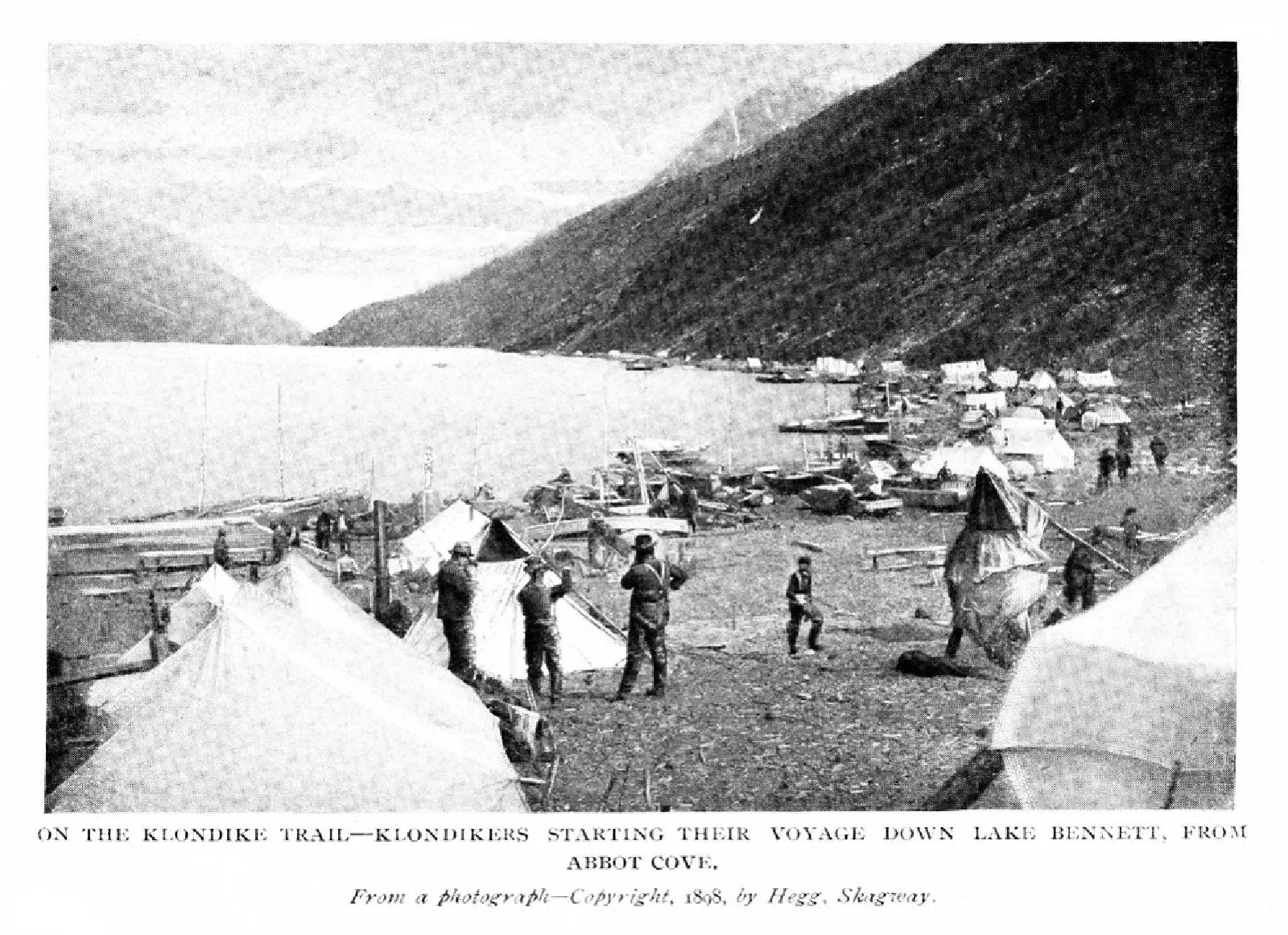
Regardless of which trail they took, the stampeders who survived the mountain passes eventually converged at Lake Bennett (also called Bennett Lake) just across the border in British Columbia.
At the end of the trails, they set up massive tent camps along the shores of this lake. There, they had to chop down timber, build their own boats or rafts by hand, and wait for the winter ice to break up so they could sail the remaining 500 miles down the Yukon River to the goldfields in Dawson City.
The Next Leg of the Journey
Reaching Lake Bennett wasn’t the finish line — it was just the last supply depot before the real prize. Once the ice broke, stampeders still faced roughly 500 more miles down the Yukon River, through the notorious Miles Canyon and Whitehorse Rapids, before reaching Dawson City at the confluence of the Yukon and Klondike Rivers. From there, the gold itself lay a few miles further up two unassuming tributaries: Bonanza Creek (originally, and less romantically, named Rabbit Creek) and its offshoot Eldorado Creek, where the original 1896 discovery had been made. The trouble was timing. By the time most of the 1897–98 stampeders finally arrived, exhausted and a year behind schedule, nearly every worthwhile foot of both creeks had already been staked by prospectors who’d gotten there first. In the end, the real fortunes of the Klondike went to the ones who found the gold — and the outfitters back in Seattle who sold everyone else their boots, shovels, and boat lumber.
Riding the Rails (In Considerably More Comfort)
Our excursion was the White Pass & Yukon Railway • Klondike Highway & Gold Rush History tour, and it started the way most days in Skagway do: off the ship and into the tender boats for the short ride to town.
From there we boarded a very comfortable bus for the drive up the Klondike Highway — the same route the stampeders once fought their way up on foot, hauling a literal ton of gear over the pass. It took us about an hour. It took them the better part of a winter.
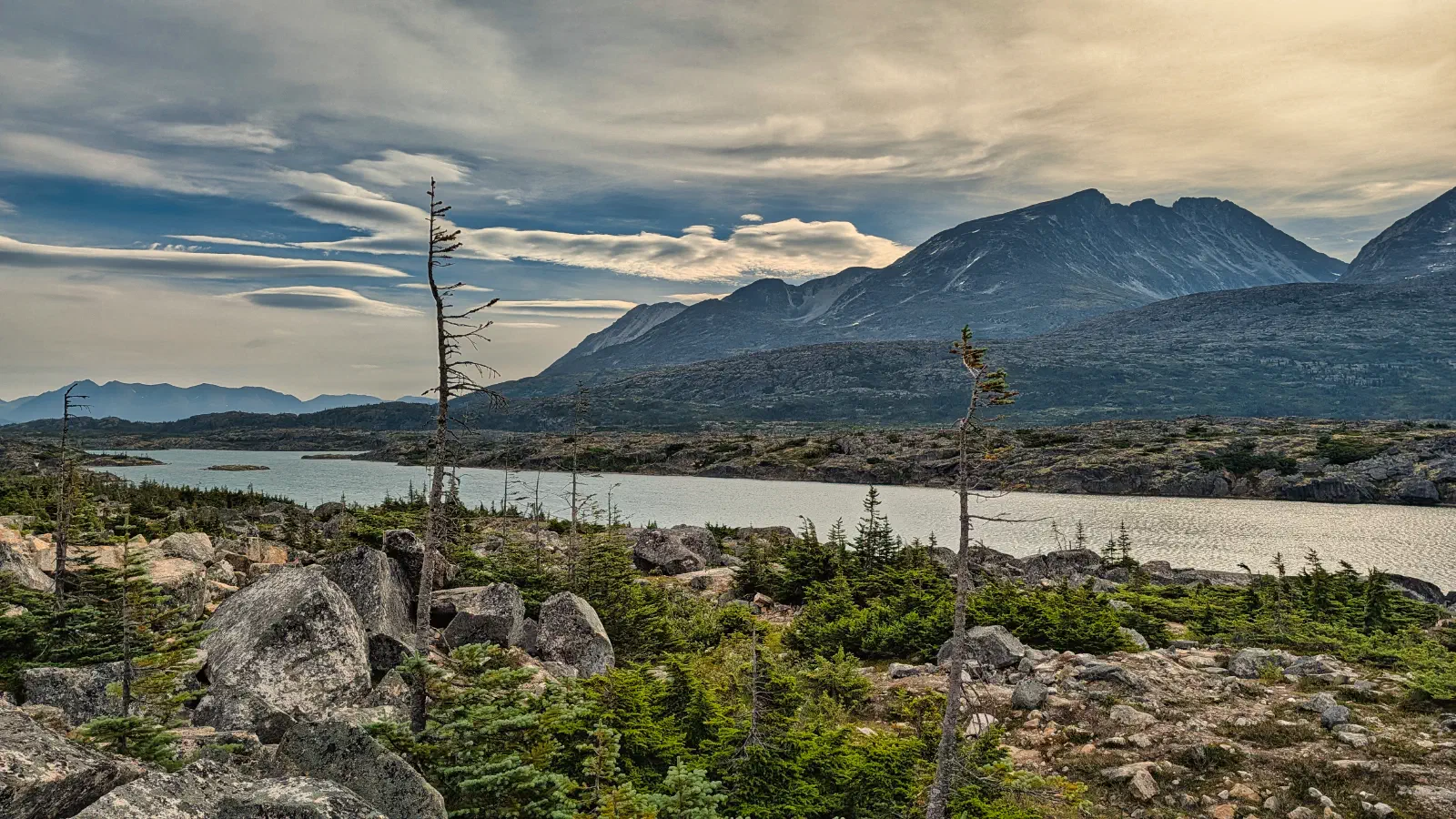
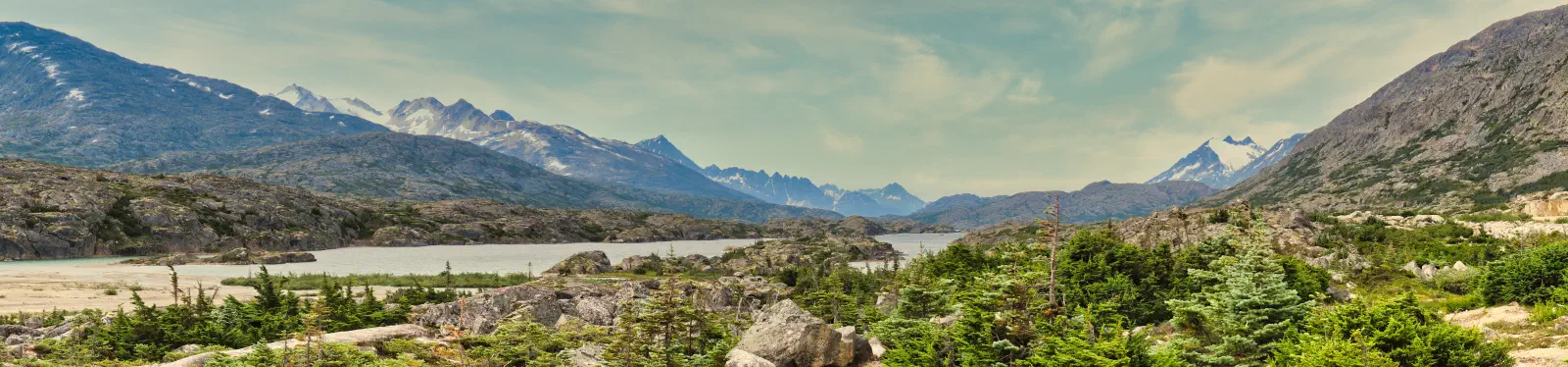
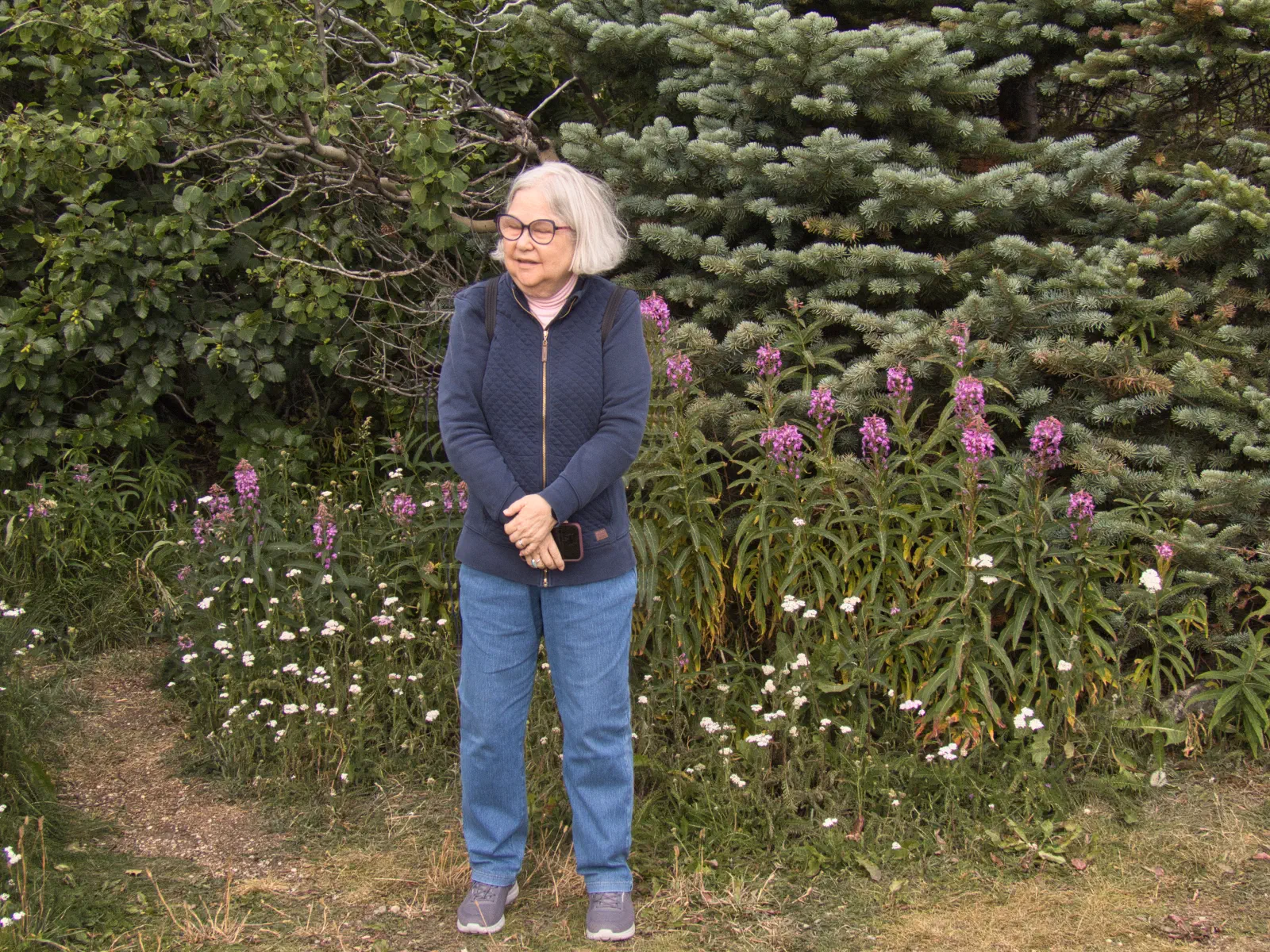
Disappointingly, at the summit we did not have a view down the valley to see where we had come up. Still, we took a few photos of the beautiful alpine area at the top. It is hard to imagine hauling supplies up that grade ourselves. Then it was over to the White Pass & Yukon Railway for the ride back into town, a little time to wander Skagway’s boardwalks, and the tender back out to the ship.
Icy Strait Point - Day 6, August 17, 2026
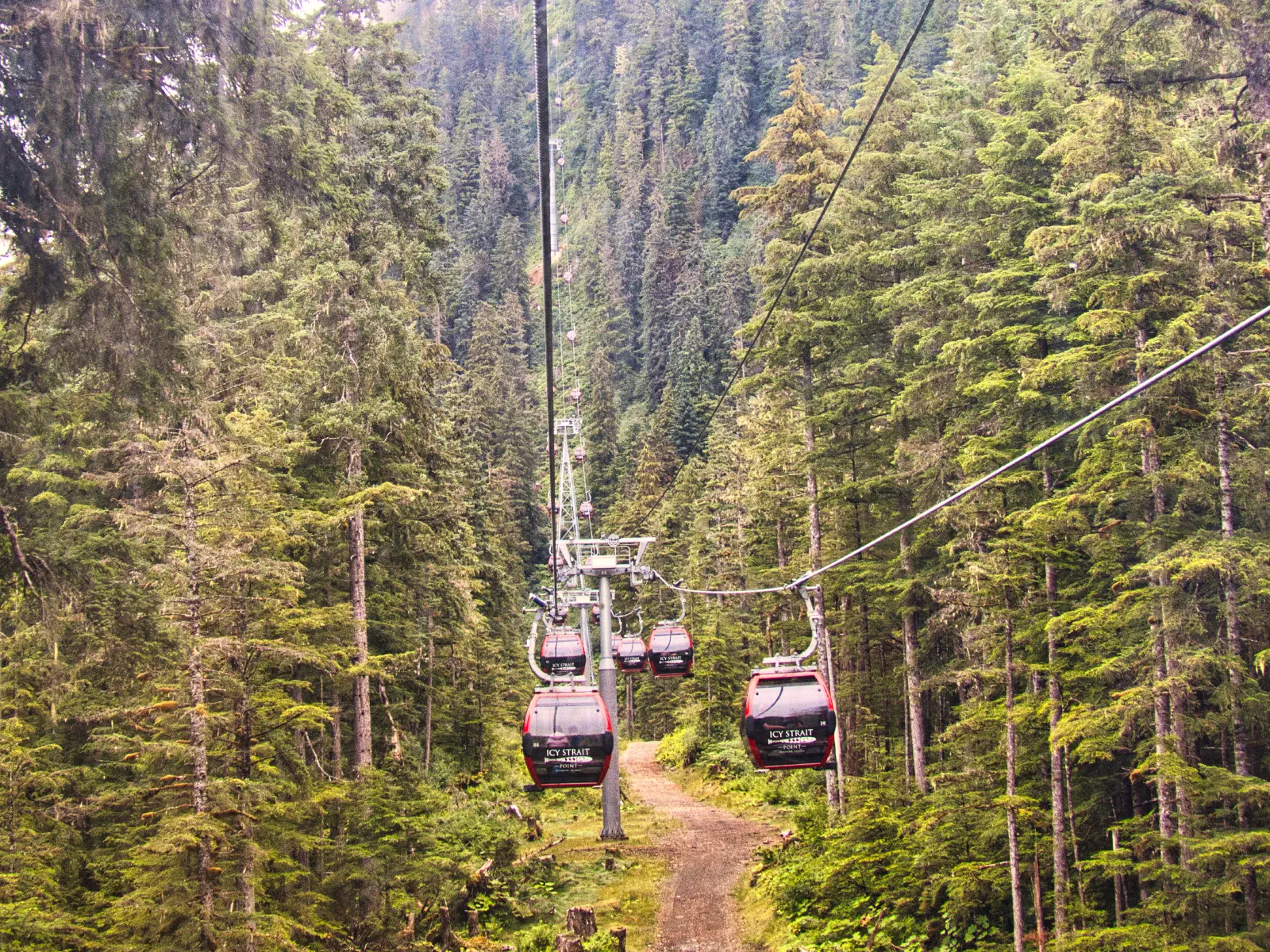
Today’s port was Icy Strait Point, near the Tlingit village of Hoonah — Alaska’s only privately owned cruise destination, built by the Huna Totem Corporation out of an old salmon cannery. It’s popular enough these days that Norwegian Cruise Line Holdings (Regent’s parent company) partnered up to add a second dock and a couple of gondolas, just to keep everyone moving.
We had two excursions today, a hit and a miss, so let’s start with the hit.
Whales (and a Bear or Two)
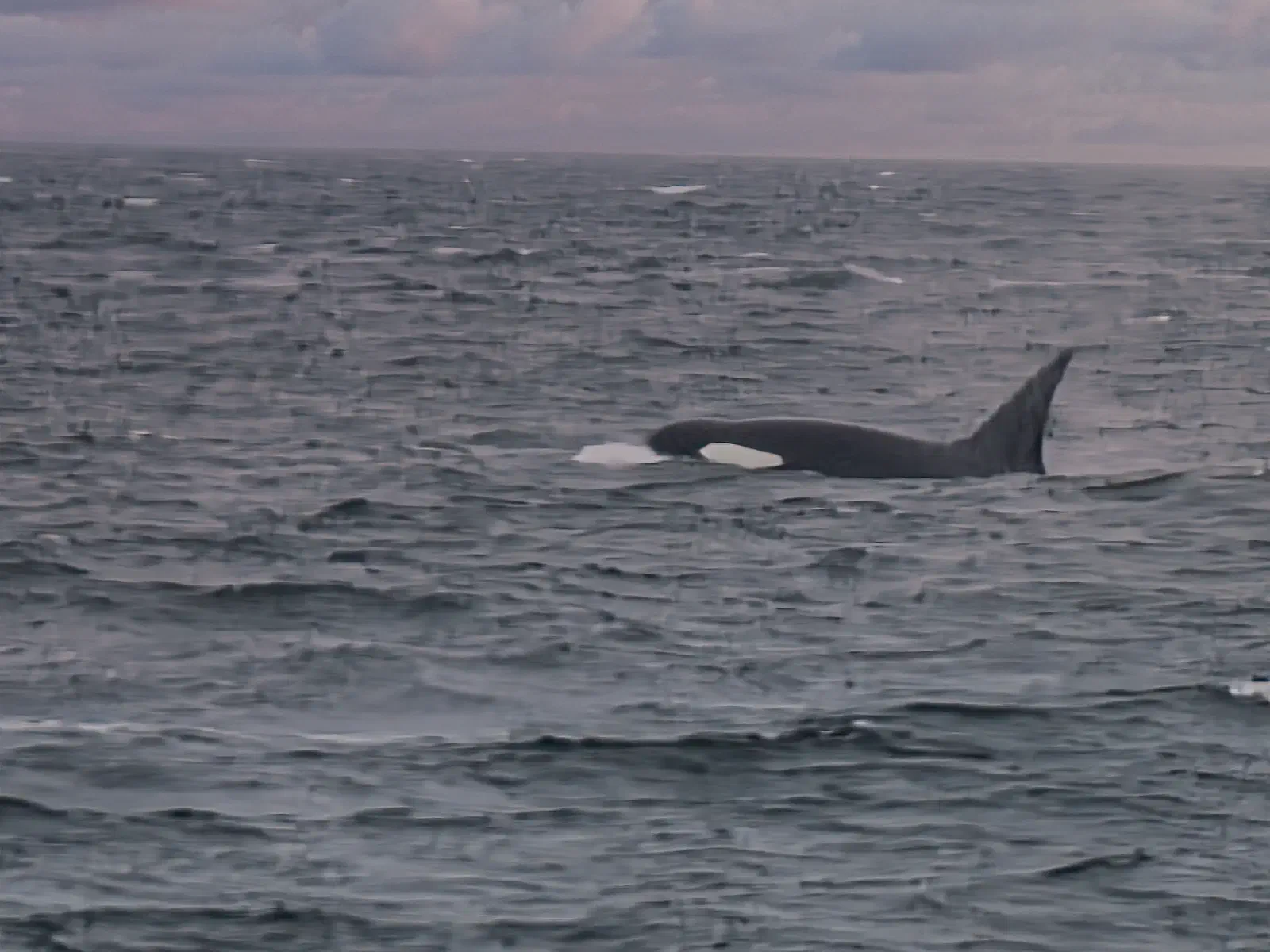
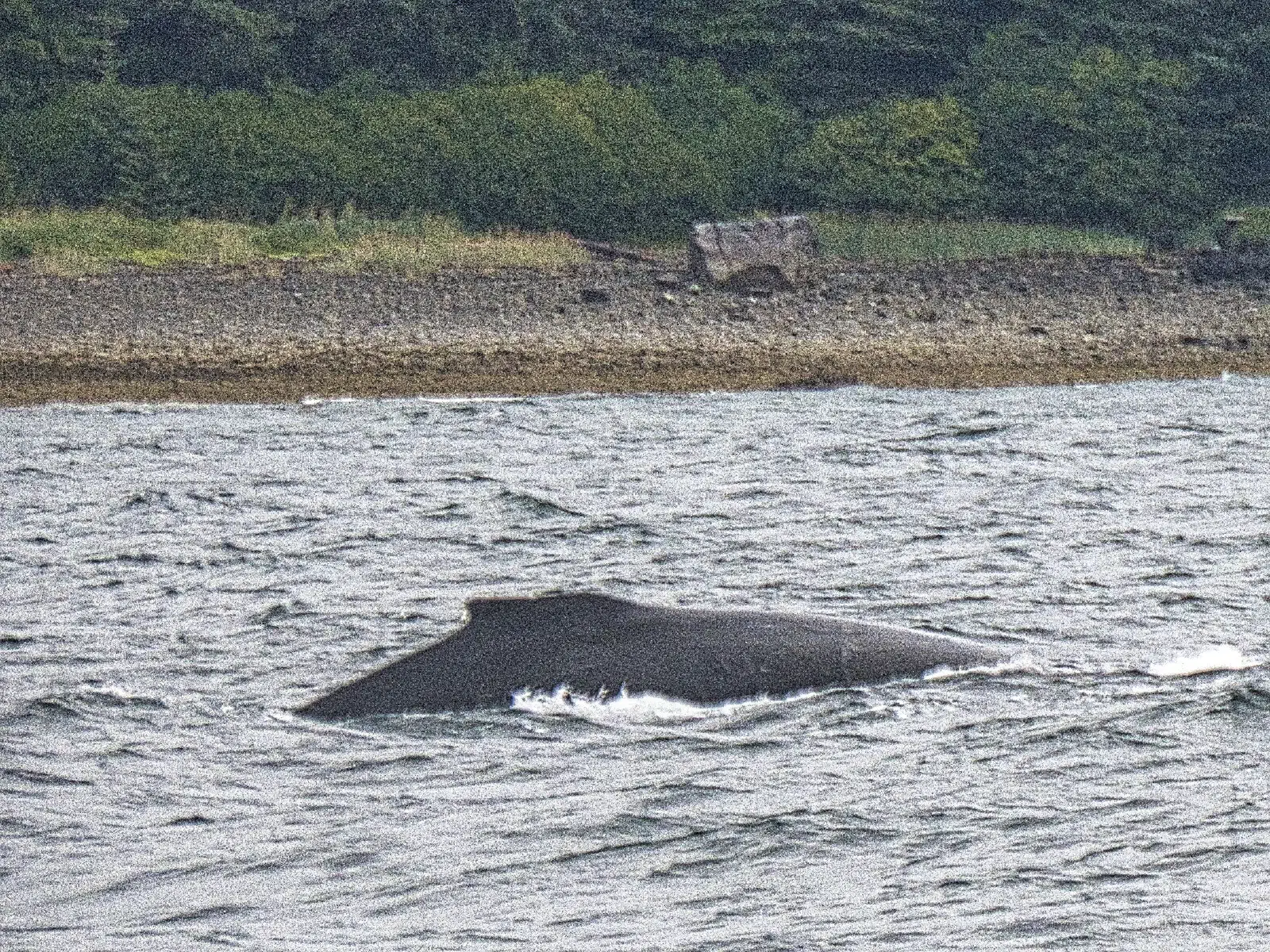
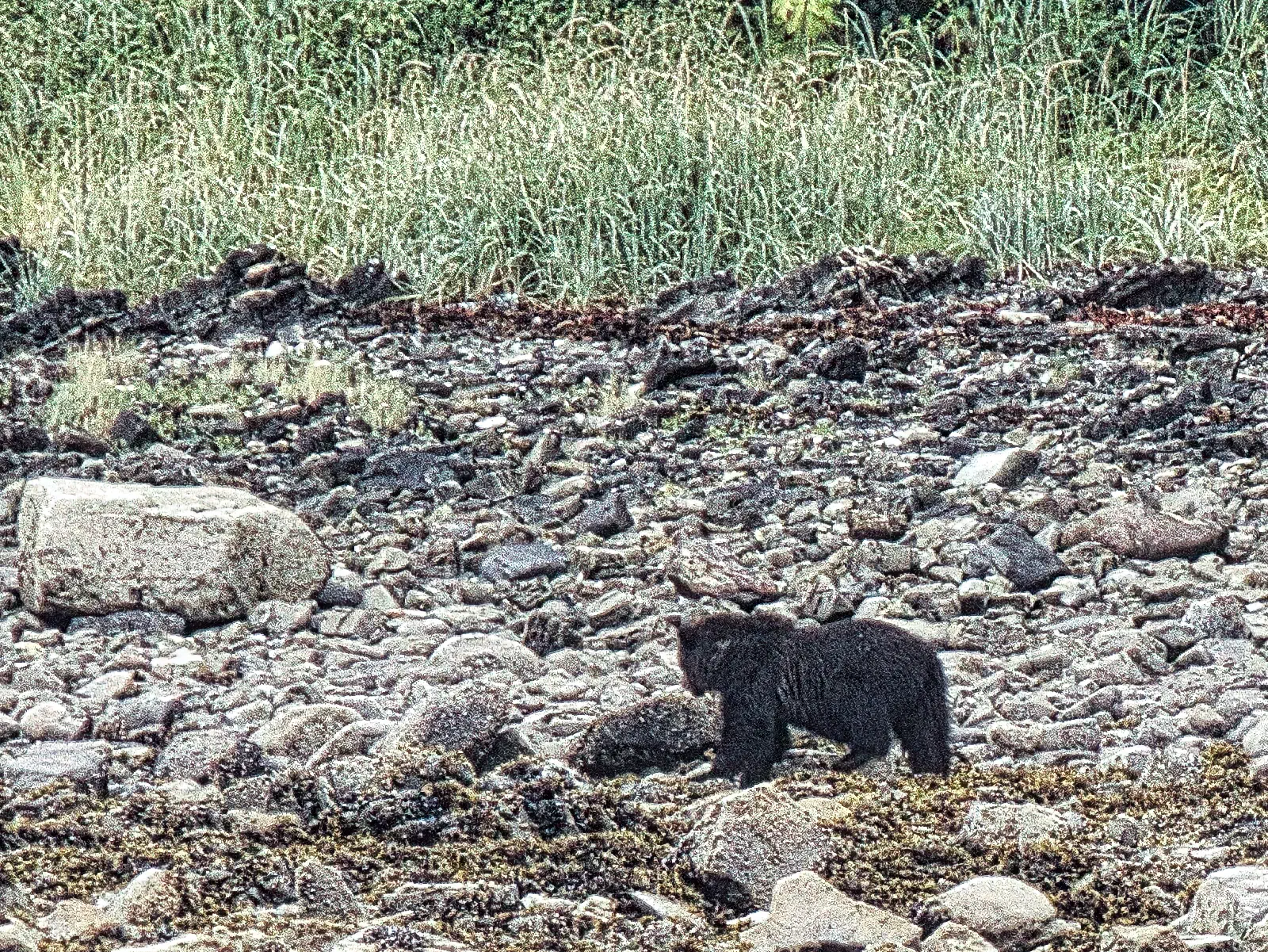
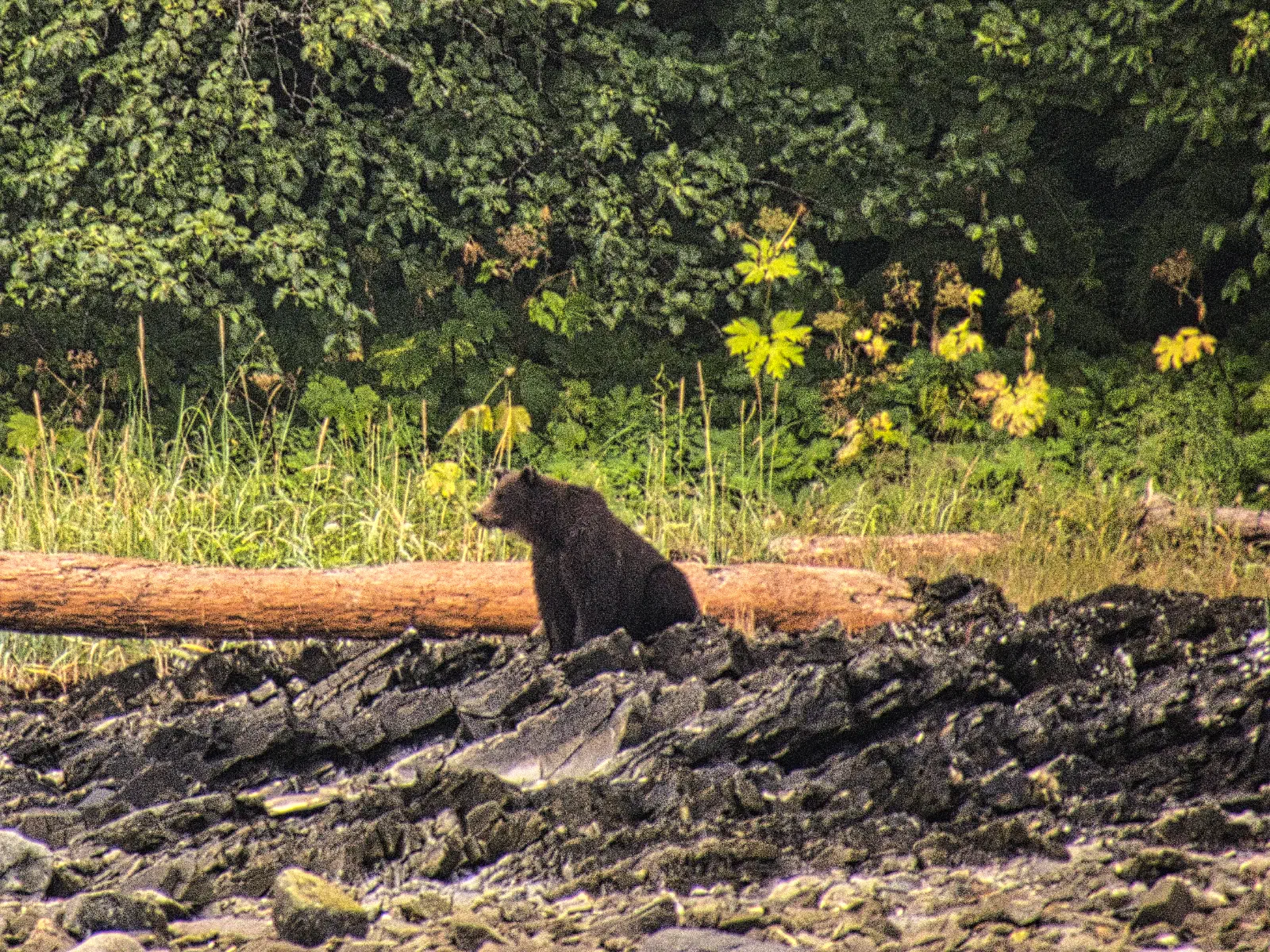
Our morning excursion was a whale-watching cruise. We motored over to a nearby island and spotted a pod of orcas — or at least their backs and dorsal fins, which is apparently as much orca as you get before they politely submerge again. From there we moved on to a group of humpbacks, feeding away and minding their business while we did our best to mind ours. On the way back, the captain spotted a couple of bear cubs on shore, a fitting closer before we headed back to the ship.
A Gondola to Nowhere
We had booked the “Mountaintop Forest Tram” excursion for the afternoon, described as:
“Ride a state-of-the-art window-walled gondola to the top of Hoonah Mountain and then board an open-air tram for an inspiring ride through an old-growth forest.”
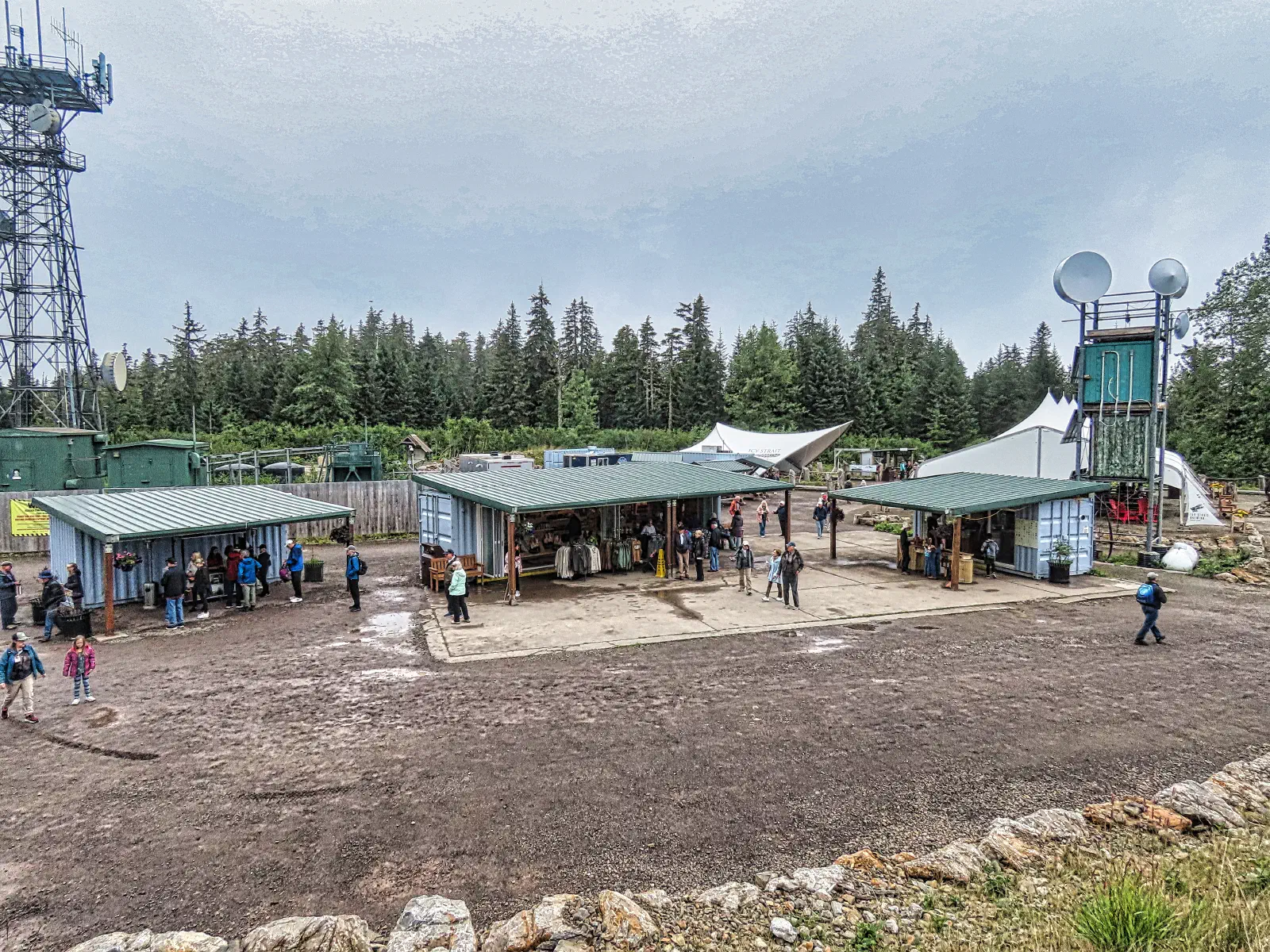
Sounded lovely. With two other ships in port alongside us, we showed up right on time for our 1:30 slot — only to discover, upon collecting our gondola tickets, that our tram tickets were for 3:30. That left us two hours to kill atop a mountain that turned out to be entirely socked in by clouds, with no view back to the ship or dock and nothing to see but gift shops and food stalls. Rather than window-shop for two hours, we rode the gondola back down and called it a day.